

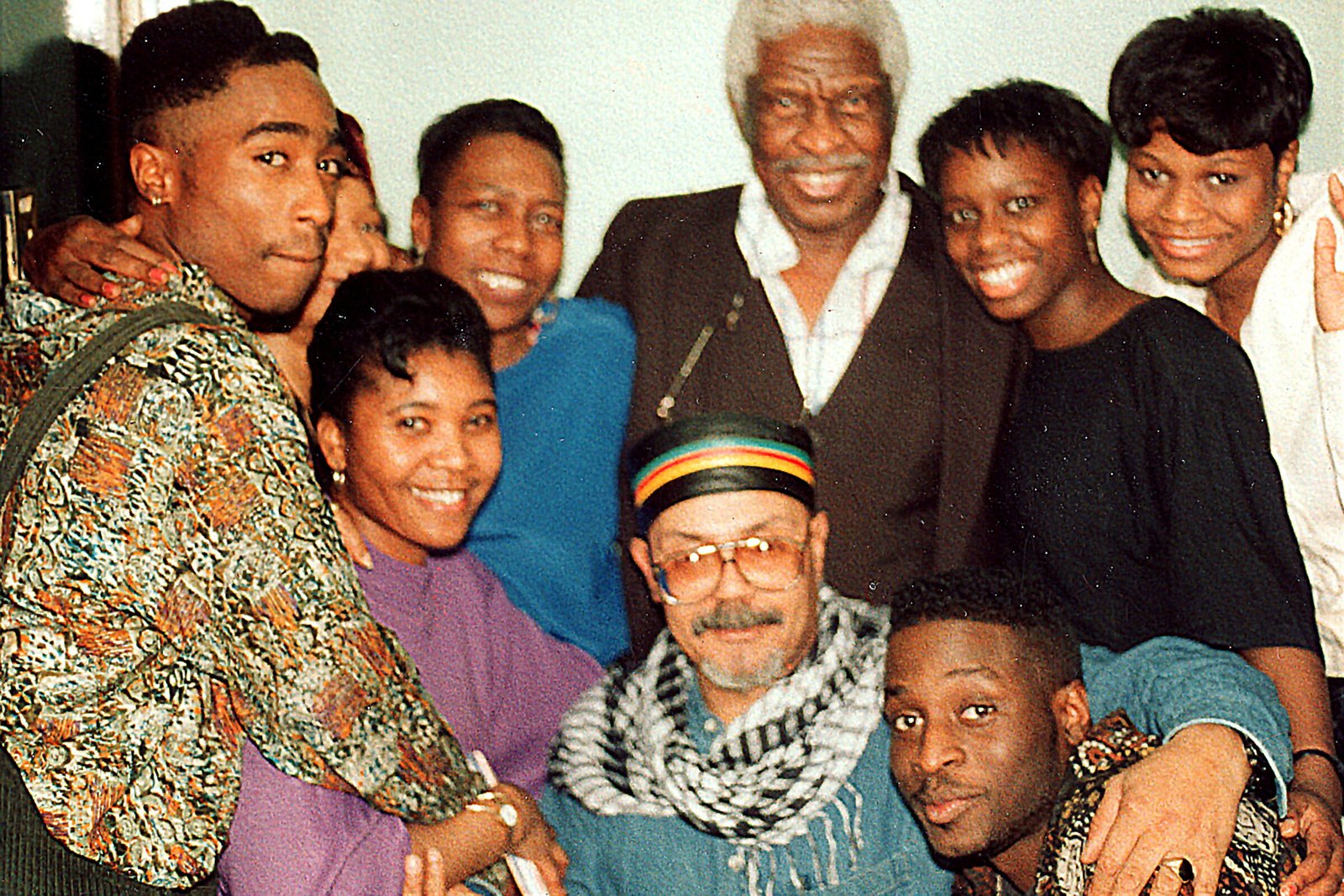
Picture this: it’s the late 1960s, a time of tremendous social upheaval and change. Civil rights are in the spotlight, and a man named Lumumba Shakur stands at the forefront, boldly challenging the status quo. But wait, who exactly is this enigmatic figure, and why does his story feel like a must-read thriller? Grab a seat because we’re about to embark on an exhilarating journey through history, spotlighting Lumumba Shakur.
Introduction to Lumumba Shakur
Alright, my curious reader! Have you ever stumbled upon a story so compelling that it demands your full attention? That’s exactly what happens when we delve into the world of Lumumba Shakur. You see, his journey is not just a tale of one man’s life but a chapter in a much larger book of history. So, who exactly was Lumumba Shakur, and why does speaking his name invoke intrigue and a sense of awe?
Lumumba Abdul Shakur, born Anthony Coston, was a dynamic leader within the Black Panther Movement, a key player in Harlem’s uprising. His life was one of transformation, adversity, and triumph. And here’s the thing: understanding Lumumba’s journey helps us grasp the immense impact he had on the Civil Rights Movement and the ongoing fight for justice and equality.
Early Life and Identity
Let’s set the scene, shall we? New Jersey, 1943—a baby boy named Anthony Coston is born into a world on the brink of monumental change. Fast forward through those early years, and you see Anthony morph into Lumumba Abdul Shakur, embracing an identity that would shake the foundations of institutional oppression. But why the transformation?
Here’s what went down: as Anthony grew, he found himself captivated by the fervor and ideas of social justice. He wasn’t content to drift through life without leaving a mark, oh no. The name change signifies more than just a personal decision; it represents a commitment to a cause larger than himself, tying back to the roots of activism and resistance.
Lumumba’s journey is a striking reminder that identity is not a static concept; it’s influenced by experiences, beliefs, and the desire to make a change. Don’t you think it’s fascinating how one name can symbolize a whole new world of self-discovery and purpose?
Leadership in the Black Panther Movement
Let’s say you’ve noticed a certain buzz about the Black Panther Party, right? But if you think it was all about black berets and leather jackets, you’re only scratching the surface. Enter Lumumba Shakur, a co-founder of the Harlem chapter of the Black Panther Party—a man who didn’t just talk the talk but definitely walked the walk.
Can you imagine the 1960s Harlem, a place teeming with energy, culture, and activism? In this vibrant setting, Lumumba emerged as a militant leader advocating for social change and racial justice. He wasn’t afraid to speak up or stand out, making sure the voices of marginalized communities were heard loud and clear.
Now, you might wonder, what exactly did Lumumba and the Black Panthers stand for? Here’s a quick rundown:
– Economic empowerment for Black communities
– An end to police brutality
– Access to education and healthcare
You see, Lumumba wasn’t just about shaking fists and making noise; he was about real, tangible change! That’s the thing: leadership isn’t always about power. Sometimes, it’s about passion, commitment, and a plot to rewrite the rules.
The Panther 21 Trial
Imagine, if you will, a courtroom drama that plays out not just in the courts but in the hearts of a nation hungry for truth and justice. That’s the Panther 21 trial for you!
In 1969, Lumumba Shakur found himself among those indicted in a controversial trial that accused twenty-one members of the New York Black Panther Party of planning attacks against police stations and other public buildings. Intense, right? But get this—the trial ended in acquittal in 1971, a monumental victory casting a stark light on the injustices faced by activists.
What role did Lumumba play? He was right there, a defendant facing serious allegations, yet standing his ground against a system all too eager to silence dissent. It’s like their courage said, “We won’t back down.” This trial wasn’t just an individual showdown; it was a collective stand against oppression. And in the end, when the judge’s gavel finally fell, justice prevailed!
Personal Ties and Marriage
There’s something undeniably human about hearing details of someone’s personal life, don’t you think? It adds layers to the story, making it richer and more relatable. And when it comes to Lumumba Shakur, his marriage to Afeni Shakur in 1968 is a glowing piece of that tapestry. That’s right—Afeni Shakur, the mother of none other than the legendary Tupac Shakur!
Isn’t it intriguing how personal and political lives can intertwine? Lumumba and Afeni were not just partners by law but also by passion and purpose. Together, they were part of a larger family, the Shakurs, who have left an indelible mark on activism, music, and culture. This union wasn’t merely a social contract; it symbolized a coming together of shared ideals and mutual support.
From sharing dreams of equality to navigating the stormy seas of activism together, Lumumba and Afeni’s relationship was as much about love as it was about the struggle.
Final Years and Death
Every great story has its ups and downs, and Lumumba’s life was no different. However, tragedy struck when he met an untimely death in New Orleans in 1986. A life marked by vibrancy and activism cut short—how heartbreaking is that?
Reports vary, describing his death as a shooting or murder. It’s a jarring, sobering reminder of the dangers that come with standing up against powerful systems.
Yet, even in his passing, Lumumba’s spirit of resistance ignites a fire within us. How far would you go for your beliefs? Lumumba’s story asks that of each of us, challenging our comfort zones and urging us to take a stand in our own lives.
Legacy and Influence
Alright, by now, Lumumba Shakur’s name has hopefully become etched in your mind. But why do we speak of him with such reverence today? Here’s the thing—Lumumba’s journey didn’t end with his passing. Instead, he left behind a legacy, a blueprint for resistance and empowerment.
His leadership in the Black Panther Movement brought significant African-American issues into the spotlight, echoing through the corridors of time to inspire future generations. Advocacy for equality and justice that he championed continues to motivate movements today.
Think about it: whenever we march for freedom, demand justice, or stand in solidarity against oppression, Lumumba’s influence is there, whispering courage and conviction into every rallying cry.
Conclusion
Let’s tie this all together—why, you ask, should we remember Lumumba Shakur? Because he represents not only the fight for civil rights but also the undying spirit of freedom that transcends generations. His contributions and influence still resonate, inspiring those who dare to dream and act for a better tomorrow.
Together, we’ve journeyed through an exciting tapestry of a life lived boldly, defying norms and championing change. As we walk away from this tale, let’s not just remember Lumumba Shakur as a historical figure, but as a beacon of courage, urging each of us to illuminate the paths we walk on with justice and truth. And hey, if you’re looking to start your path of making your own mark, services like StartBizAdvice could be your guiding light. Keep the fire burning, and never stop questioning the status quo!
Also Read: