

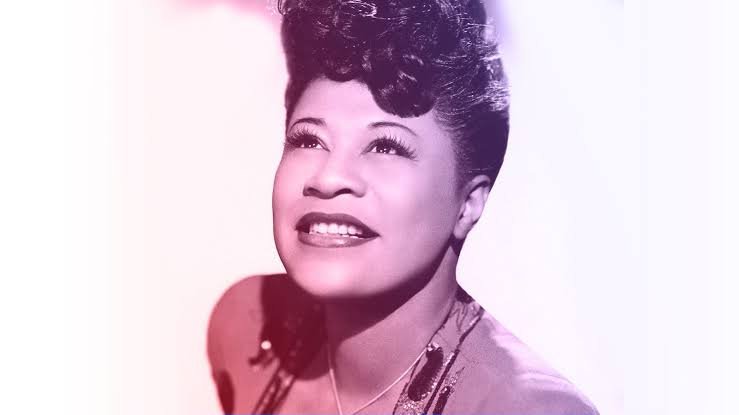
Most people who search for Frances Da Silva arrive at her name through Ella Fitzgerald — one of the most celebrated jazz vocalists in American music history. Frances herself left no public legacy in the traditional sense, yet her name appears in genealogy databases, celebrity family trees, and biographical notes tied to Fitzgerald.
There are two specific reasons she shows up in these searches. She was Ella Fitzgerald’s younger maternal half-sister. And she was the biological mother of the child Ella later adopted. Those two facts alone explain most of the curiosity around her name.
This article covers who Frances Da Silva was, how she connects to Ella Fitzgerald, what the record says about her son Raymond, and why her name keeps surfacing in genealogy searches — while being honest about what the public record does not confirm.
Who Frances Da Silva Was
Frances Da Silva was a private person. She was not a public entertainer, a performer, or a celebrity in her own right. The available record does not document an independent public career for her.
Almost everything known about her comes from her connection to Ella Fitzgerald. Details about her occupation, personal life, marriage, or death are not reliably confirmed in publicly available sources. That is not unusual — most people are private individuals, and the absence of a public biography does not mean the family connection is invented or unimportant.
What the record does support is her place in the Fitzgerald family, her approximate birth year, and her role as the biological mother of a child who later became part of Ella Fitzgerald’s household. Those are the areas where the evidence is clearest.
Her Family Connection to Ella Fitzgerald
Frances Da Silva and Ella Fitzgerald shared the same mother, a woman named Tempie. However, they had different fathers — which makes them maternal half-sisters, not full sisters. That distinction matters when reading biographical notes about Ella’s family.
Ella Fitzgerald was born in 1917. Frances Da Silva was born in 1923, approximately six years later. According to EBSCO Research Starters, Frances was born to Tempie and a man named Joe. IMDb’s biographical notes on Ella also identify Frances as a younger half-sibling.
So when some sources refer to Frances simply as Ella’s “sister,” that is technically a shorthand. The more accurate description, based on available evidence, is maternal half-sister. They grew up connected through their mother’s side of the family.
Ella Fitzgerald’s life took a difficult early turn. Her mother Tempie died when Ella was a teenager, and her path through adolescence was far from stable. That family background gives some context for understanding why the bond between Ella and her half-sister Frances — and the child Frances later had — mattered enough to result in a family adoption.
Raymond Matthew Brown Jr. and the Family Adoption
The second reason Frances Da Silva appears in accounts of Ella Fitzgerald’s life is arguably more searched than the half-sister connection itself. Frances is identified as the biological mother of Raymond Matthew Brown Jr. — the child Ella Fitzgerald adopted.
IMDb’s family and biographical notes for Ella Fitzgerald state that Raymond was her adopted son, and that he was the biological child of her younger half-sister, Frances Da Silva. This made Raymond both Ella’s nephew by blood and her legal son by adoption.
That kind of arrangement — where a relative adopts a family member’s child — is not uncommon, but it does create an interesting dual relationship. Raymond was connected to Ella twice over: once through family biology and once through legal adoption.
The exact date of the adoption, the legal details, and the full circumstances surrounding it are not documented in publicly available sources. It would not be accurate to fill in those gaps with assumptions. What the available record supports is the core fact: Ella raised Raymond as her son, and he was Frances’s child.
This family context is why Frances appears in discussions of Ella Fitzgerald’s personal life and immediate household. She is not a peripheral name in Fitzgerald’s story — she is directly tied to one of the most personal chapters of it.
Why Frances Da Silva Appears in Genealogy Searches
If you have searched for Frances Da Silva on a site like MyHeritage, you may have found her name appear alongside Ella Fitzgerald’s in family trees or historical record collections. There is a straightforward reason for this.
Ella Fitzgerald is an extremely well-documented public figure. Biographers, historians, music writers, and genealogy enthusiasts have traced her family connections in detail. Because Frances is one of those connections, her name naturally surfaces whenever someone digs into the Fitzgerald family tree.
Genealogy platforms like MyHeritage compile both official historical records — such as census data and birth records — and user-submitted family trees. Both types of material can include Frances Da Silva. However, they are not equally reliable.
An official historical record attached to a primary document carries more weight than a user-submitted family tree entry that may have been copied from another user’s tree without independent verification. If you are researching Frances Da Silva for genealogical purposes, treat database entries as starting points rather than confirmed facts — especially when no primary source document is attached.
It is also worth noting that the name Frances Da Silva is not unique to Ella Fitzgerald’s family. Capitalization variations like “Frances da Silva” or “Frances Da Silva” can appear in unrelated historical records. For example, academic records reference a completely different Frances da Silva in an early-modern European context — that person has no connection to Ella Fitzgerald’s family. Matching the name with associated identifiers like Tempie, Ella Fitzgerald, and Raymond Matthew Brown Jr. helps confirm you are looking at the right person.
For anyone curious about how these kinds of family histories get researched and documented, resources like Startbizadvice offer broader context on research and personal background topics that often intersect with family history work.
What the Public Record Does and Does Not Confirm
It is worth being clear about the limits of what is publicly known about Frances Da Silva. This helps readers avoid repeating inaccurate details that sometimes spread through celebrity family tree entries.
What is supported by available sources:
- Frances Da Silva was born in approximately 1923.
- Her mother was Tempie, the same mother as Ella Fitzgerald.
- She and Ella had different fathers, making them maternal half-sisters.
- She is identified as the biological mother of Raymond Matthew Brown Jr.
- Raymond was later adopted by Ella Fitzgerald.
What is not confirmed in available public sources:
- Frances’s exact birth date or place of birth.
- Her occupation or any professional history.
- Details of her personal or married life.
- Her date of death or where she spent her later years.
- The full legal and personal circumstances surrounding Raymond’s adoption.
These gaps are not surprising for a private individual who was never a public figure. The absence of that information does not undermine the documented family connections — it simply reflects the reality that private lives rarely leave the same paper trail that public careers do.
Frances Da Silva’s Place in Ella Fitzgerald’s Story
Ella Fitzgerald became one of the most recognized voices in American music. She recorded hundreds of songs, won multiple Grammy Awards, and earned the nickname “First Lady of Song.” Her life has been examined in countless biographies, documentaries, and profiles.
Within that well-documented life, Frances Da Silva occupies a quiet but real place. She was Ella’s half-sister through their shared mother, Tempie. And her son became Ella’s adopted child — the person Ella raised as her own.
Frances did not perform on stage or record music. She did not leave a public legacy in the way Ella did. But she is part of the actual human story behind one of America’s most celebrated performers. That is enough to make her worth understanding clearly and accurately, without invention or exaggeration.
When you encounter her name in a genealogy search or a biographical footnote, you now have the context to understand exactly who she was and how the available evidence connects her to one of the biggest names in jazz history.
Also Read: